Running in the rain? 5 top tips for running in the rain
“Is it safe to run in the rain?
Yes (!) but only if you want to. For your safety, don’t run when the weather forecast predicts gale-force winds or thunderstorms with lightning.
The perks of running in the rain
You’ll have the trails to yourself. Most people aren’t going to run in rainy weather (unless you live in a rainy area), so it’s a great way to have the roads to yourself.
It will help you prepare for a rainy-day race. You’ll be able to draw upon your experience running in the rain so you know what to do, what to expect, and the running gear that has worked for you.
It will take you out of your comfort zone and can boost your mental toughness. Running in the rain is tough, but you’ll feel like you can tackle anything—rainy days included.
Ultimately, it’s up to you to decide how you feel about running in the rain, so don’t feel obligated to run in the rain if you don’t want to.
Not up for battling the weather? I’ve got 5 treadmill running workouts* and 7 leg workouts for runners to help you get moving inside.
What to wear when you’re running in the rain
Heads up, some links here are affiliate links
The right rain running jacket
What kind of rain running jacket do you need?
The answer is, that depends on how heavy the rainfall is and how long you plan to run in the rain. You have plenty of rain running jacket options, from packable, lightweight water-resistant jackets (for drizzles) to fully waterproof ones (for downpours).
A water-resistant rain running jacket (for women and for men) will keep light rain off, for a short while. But, if you’re caught in the pouring rain, water-resistant jackets won’t be up to the task.
A water-repellent coating is a finish applied to a garment piece that makes water bead up and roll off. You can use this finish on both waterproof and water-resistant rain running jackets. This coating wears off after some time, and you’ll need to reapply this finish when water isn’t beading up and rolling off.
The Newsletter
Real running advice for real life
Every two weeks. No fluff.
Waterproof shoes to help you stay dry on rainy runs
You’ve got a couple of options to fend off the rain: waterproof running shoes or waterproof socks. (Or both if you want to stay extra dry.)
Waterproof running shoes (like the Ghost 14 GTX for women and for men) are constructed of waterproof materials to keep the water out. But watch your step, as water can sneak in around the ankles.
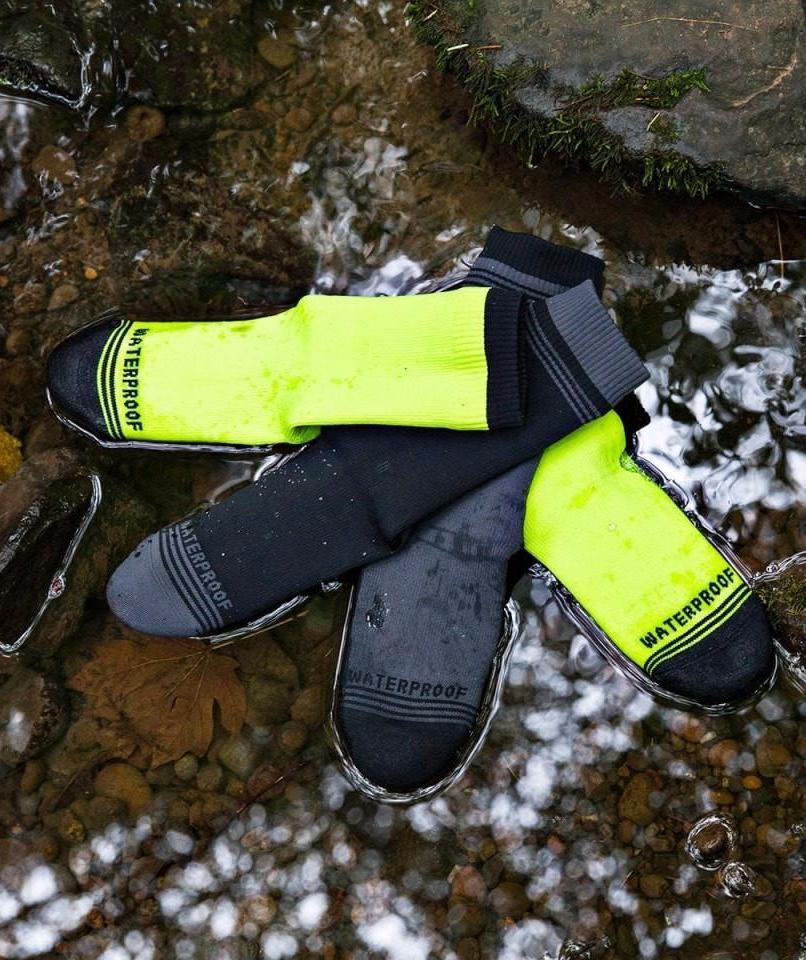
ShowersPass Waterproof Socks
Slip into a pair of waterproof socks, slightly taller than your average ankle socks to keep every inch of your feet shielded from the rain.
These waterproof socks boast three layers: a rugged outer layer, a waterproof middle layer, and a moisture-wicking inner layer to keep your feet toasty and dry.
Just remember, they’re a touch thicker than your go-to running socks, so give your regular running shoes a double-check for the perfect fit.
Protect your eyes: Choosing the right running hat for rainy runs
Have you ever been there? Caught in a downpour, raindrops crashing into your eyes, turning your run into a blur?
Say hello to your rainy day best friend: a running hat with a broad brim that shields your eyes from relentless rain. And for those chilly, rainy days? Double up with some ear warmers for maximum comfort.
Essential rainy day gear: Anti-chafe cream explained

Body Glide Original Anti Chafe Balm
Are you sick of chafing ruining your run? Enter anti-chafe cream, your secret weapon against blisters and discomfort. Smooth it on wherever you feel the rub—chest, bra straps, thighs—and kiss chafing goodbye.
Visibility essentials for rainy day runs to help you stay visible and safe in the rain
Running lights and bright running gear. If you can’t see running in the rain, chances are drivers can’t see you either. That’s where running lights and neon running gear come into play to keep you safe and visible.
Reflective bands. Now, for extra credit — reflective bands. They catch the eye by adding movement to your silhouette. Strap them on your wrists, ankles, knees, and torso, and you’ve got biomotion + retro-reflectivity on your side, making you stand out even more in low light.1
How to run in the rain
Choose your trusted trail
Got a go-to running trail that feels like a second home? You know, the one where you can practically map out your run by the familiar sights you pass? That’s your rainy-day paradise. Stick to the trails you know well, so you can easily gauge your distance and know when it’s time to turn back. Bonus points if your trail is away from the hustle of traffic—less chance of getting splashed!
Ease into your run with a gentle warm-up
Before diving into your run, warm up gently with a 5 to 10-minute jog or walk. Not only will it get your muscles fired up and ready to go, but it’ll also give your mind a chance to switch gears and embrace the rainy adventure ahead.
Dive deeper: Mastering the Pre-run Warm Up and Post-run Cool Down
Watch your step
Rain makes everything slippery—from leaves that cover the ground to painted stripes and metal pothole covers—if it’s on the road, it’s probably slippery. If you have big plans for a speedy session, consider dialing it back to avoid any unwanted slips and slides.
Dodge the puddles
You never know how deep a puddle is or what’s lurking beneath. If you can’t see it, you won’t know what you’ll be running over.
So to avoid getting hurt, rolling an ankle, or falling face forward, run around the puddles, not through them.
Change out of your wet running gear as soon as you can
Drove to a trail or finished a rainy race? Consider packing a bag with a dry outfit, including socks and shoes.
Other practical running gear to pack:
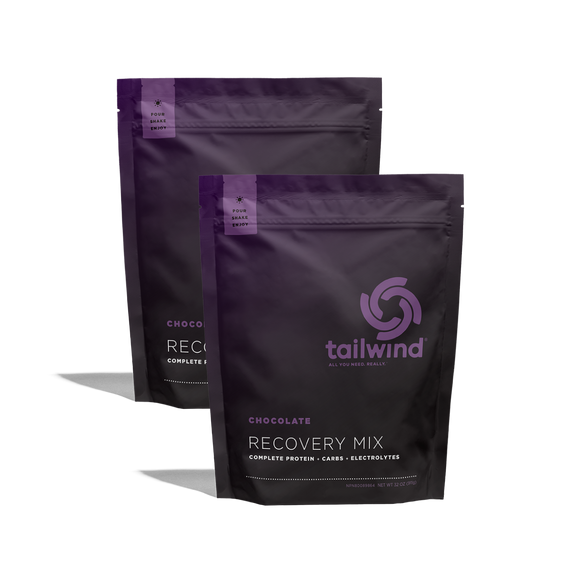
Tailwind Recovery Mix
Revitalize your post-workout recovery with Tailwind’s Recovery Mix – a delicious and hassle-free solution to kickstart your recovery process right after a ride or run.
Remember, running in the rain isn’t for everyone, and that’s perfectly okay. Listen to your gut and if it’s telling you to stay indoors, there’s no shame in opting for a cozy day off instead.
Sources