Master 10K Training for Beginners: Your Roadmap and Essential Tips to Get You Running
A 10K isn’t just twice the distance—it’s a test of your endurance that demands a bit more training.
Do you need to train for a 10k?
Absolutely! 10K training is *the key* to an awesome race.
Bottom line? You’ll be stepping up your running game in no time.
Why skipping out on 10K training could hold you back
Running all 6.2 miles might feel like a struggle and you could end up slowing to a walk, zapping the fun out of race day.
Skipping training is like building a house on a shaky foundation—things might seem okay at first, but they’re more likely to collapse when put to the test.
Without training, your body isn’t prepped for the repetitive impact of running.
Those weeks you invest in training strengthen your muscles, tendons, and ligaments, making you more resilient and ready for race day. Speaking of race day, if you’re looking to plan ahead, check out my 10K race day tips.
How long does it take to train for a 10K?
A 12-week 10K training plan is your best bet. It’s enough time to build confidence and endurance without feeling rushed.
Let’s break down what your week would look like
Run every other day, around 3 to 4 times a week. This rhythm will give you time to recover between runs and get ready for the next one without getting too sore or tired.
Have a mix of runs. Long runs for endurance. Your long run for 10K training may max out at 5 miles. Rest days to help you recover.
Run anywhere from 10-15 miles a week.
The Newsletter
Real running advice for real life
Every two weeks. No fluff.
Now a few more tips to keep in mind when you’re training for your 10K
Getting out the door regularly is your secret weapon
Remember: building endurance takes time; it doesn’t happen overnight.
But every time you lace up your running shoe to head out for a run? That’s progress because each run builds on the last, helping to strengthen your muscles, tendons, and ligaments.
Over time, you’ll find yourself becoming a stronger, fitter runner.
Eat + drink
You’ll need a mix of carbs, proteins, and healthy fats as you’re prepping for a 10K.
Carbs fuel your runs—they give you a boost so you can run *all the miles*.
Think of protein as your muscles’ repair crew, helping them bounce back stronger after every run.
And healthy fats give you steady, long-lasting energy, perfect for those longer runs that test your endurance.
It’s always a good habit to sip water throughout the day, but be sure to have more before and after your runs.
Going long? An electrolyte drink or a recovery drink for runners is a smart move to replace any salt and minerals you’ve lost through sweat.
Heads up, some links here are affiliate links
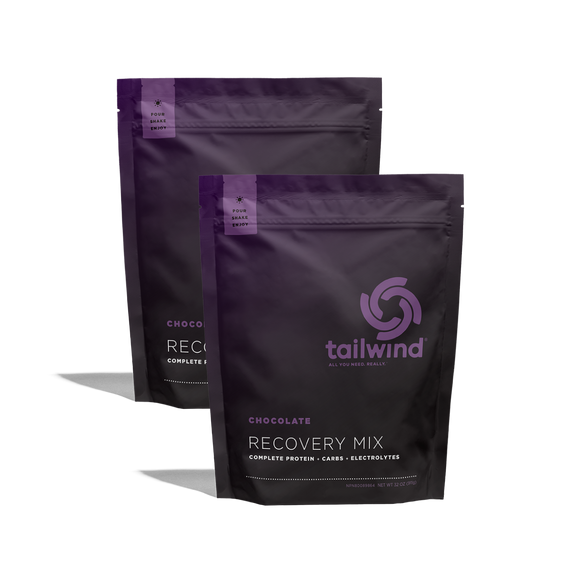
Tailwind Recovery Mix
Revitalize your post-workout recovery with Tailwind’s Recovery Mix – a delicious and hassle-free solution to kickstart your recovery process right after a ride or run.
Stay in touch with how you’re feeling
After a run, it’s normal to feel like you just ran.
Some tiredness and soreness are part of the deal. But if you’re unusually tired or sore, take it easy the next time. Your body might need a bit more time to recover.
If you have sharp pain that gets worse as you run, stop and take a break. Pain is telling you something’s off, so pushing through it isn’t the best approach.
And finally, it’s always okay to take walk breaks if you need them. A combo of walking and running as a new runner is perfectly okay as you build your endurance—there’s no shame in it!